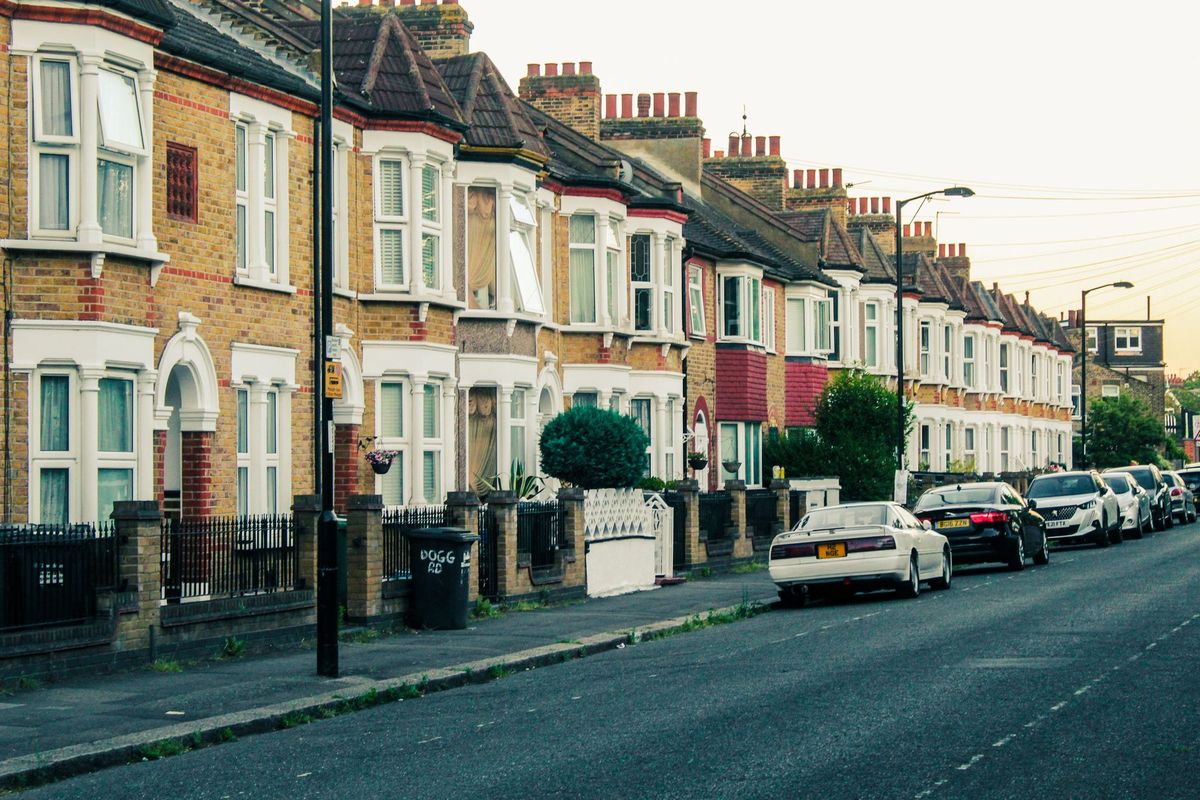
How to Reduce Road Noise in a Victorian Terraced House: A UK Homeowner's Guide
A Victorian terrace has a lot going for it: high ceilings, generous rooms, a bay window that catches the afternoon sun. What it does not have is any way of keeping out the 7.42 to Waterloo. If you live on a bus route or near a junction, you know the rhythm of the day by ear — the rumble of a lorry, the hiss of wet tyres, the late taxi. The encouraging part is that most of that noise is not coming through the brick. It is slipping in through gaps no Victorian builder ever intended to be airtight. That is genuinely good news, because gaps can be closed. The work is usually cheap, mostly reversible, and — unlike knocking about a load-bearing wall — you can do it one weekend at a time and stop when your ears tell you it is enough.
Find the gaps before you spend anything
Noise travels two ways: through the air and through the structure. Airborne noise comes through open gaps — window draughts, chimney flues, cracks between floorboards. Structure-borne noise arrives as vibration through walls and floors, which is why you feel a heavy lorry as much as hear it. Both matter, but air gaps are far easier to fix and usually give the biggest improvement for the least money. Start by finding them.
- Walk the front room with the back of your hand near window frames, skirting and the chimney breast on a windy day. Noise follows air, so draughts are a useful proxy.
- Ask someone to stand on the pavement and talk normally while you move about indoors. Where the voice is clearest is where the sound is getting in.
- Check the reveals and the cheeks of a bay window; hairline gaps at the join with the frame are common.
- Look under the front bay. Old floorboards and skirting are a frequent source of the sharp hiss from passing cars.
- Shine a torch at the closed window at night from outside, and have someone inside watch for the light. If light gets through, so does the noise.
- Listen at the front door, and specifically at the letterbox, the keyhole and the gap along the bottom. Ignore none of them.
Write down what you find, roughly in order of how loud each leak sounds. That list becomes your plan, and it will save you from buying a roll of acoustic membrane "just in case" before you have bothered to look.
Sash windows: usually the biggest offender
Original box sash windows are lovely and leaky in equal measure. The sashes meet in the middle with nothing but a meeting rail, there are gaps at the sides where they slide, and the box itself is a hollow void that can behave like a speaker. Sorting the window properly does more than anything else in the house.
Draught-proofing first
A brush or foam seal kit around the moving sashes and the staff bead costs very little and cuts the higher frequencies — tyres, voices, the whine of a scooter. Fit it carefully so the window still opens, and never seal a window you rely on for ventilation or as a fire escape.
Also worth doing at the same time: fill the gap between the frame and the brickwork with a flexible acoustic sealant, and check that the sashes actually meet. A worn meeting rail that does not close flush is a permanent 5mm slot into your living room, and adjusting the sash weights or the staff bead often costs nothing but an afternoon.
Secondary glazing is often the better answer
An internal secondary pane, ideally set about 100mm in from the original glass, outperforms most replacement double glazing for traffic noise. It keeps the original sashes — which matters in conservation areas and for the look of the street — and it can be taken out again. Sliding, hinged and magnetic systems all work; airtightness of the frame and depth of the air gap are what count. A 100mm gap is worth noticeably more than a 20mm one, so if your reveal is deep enough, use it.
If the house is listed or in a conservation area, check with your local planning authority before changing windows or external details. Consent is often needed, and it is far easier to ask first.
Chimneys and fireplaces: an open tube to the roof
An unused chimney is an unbroken route from the rooftop straight into your front room. Traffic noise, aircraft and next door's extractor fan all find it. A chimney balloon, a capped or cowled pot, and a sealed-off fireplace opening together close the whole path. In practice, most of the benefit comes from the cheapest part: blocking the flue with an inflatable balloon or a properly fitted draught excluder, and boarding or sealing the fireplace opening behind the grate.
Do not seal a chimney you still use, and be careful with gas appliances — a blocked flue is dangerous and a registered engineer should be involved. If the fireplace is decorative, ask about a vented cap so the chimney can still breathe and damp does not creep in. A chimney that is sealed at both ends with no ventilation is a chimney that will eventually stain your ceiling.
Doors, hallways and the parts nobody thinks about
The front door is the second-biggest offender in most terraces, and the hall behind it is a corridor that delivers noise straight up the stairs. A combination of a good-quality brush or rubber seal around the frame, a letterbox with a proper acoustic flap, a keyhole cover and a door-bottom seal makes a real difference for perhaps £30. If the door itself is hollow or thin, an internal secondary door across the hall — even a glazed one — creates an airlock effect and cuts a surprising amount of traffic noise.
Walls, floors and the noise you feel
Structure-borne noise is harder. Suspended timber ground floors vibrate under tyre loads, and a bay window transmits rumble into the room through the floor structure. Building up mass here is the answer, not foam. You can lay heavy mineral wool between the joists, add a floating floor with an acoustic underlay, and — if you are prepared for the disruption — fit resilient bars and acoustic plasterboard to the offending internal face of the front wall. Each step adds decibels of improvement, but each also adds cost and mess, which is why it sits at the bottom of the list and not the top.
A sensible order of work
If you want the fastest, cheapest gains in the shortest time, do it in this order:
- Seal the sash windows with a brush kit and check the meeting rails close properly.
- Block the flue and seal the fireplace opening.
- Seal the front door, letterbox, keyhole and bottom gap.
- Fill gaps around frames, skirting and the box of the bay with flexible acoustic sealant.
- Fit secondary glazing to the noisiest windows.
- Only then consider floor build-up, wall linings or replacement glazing, and get real acoustic advice first.
Be realistic about the ceiling. A terraced house on a main road will never sound like a field, but a well-sealed one can drop from "I cannot hear the television over the traffic" to "the traffic is there, but it no longer runs the household". That is a perfectly good place to stop.
Most people who live with road noise assume the answer is expensive glazing. In practice it is almost never a single product — it is a series of small, boring closures that remove the easy routes for sound. Do the cheap work properly, measure the difference with your own ears, and spend the big money only on what is left.
Photo: Daniel Sikpi / Pexels