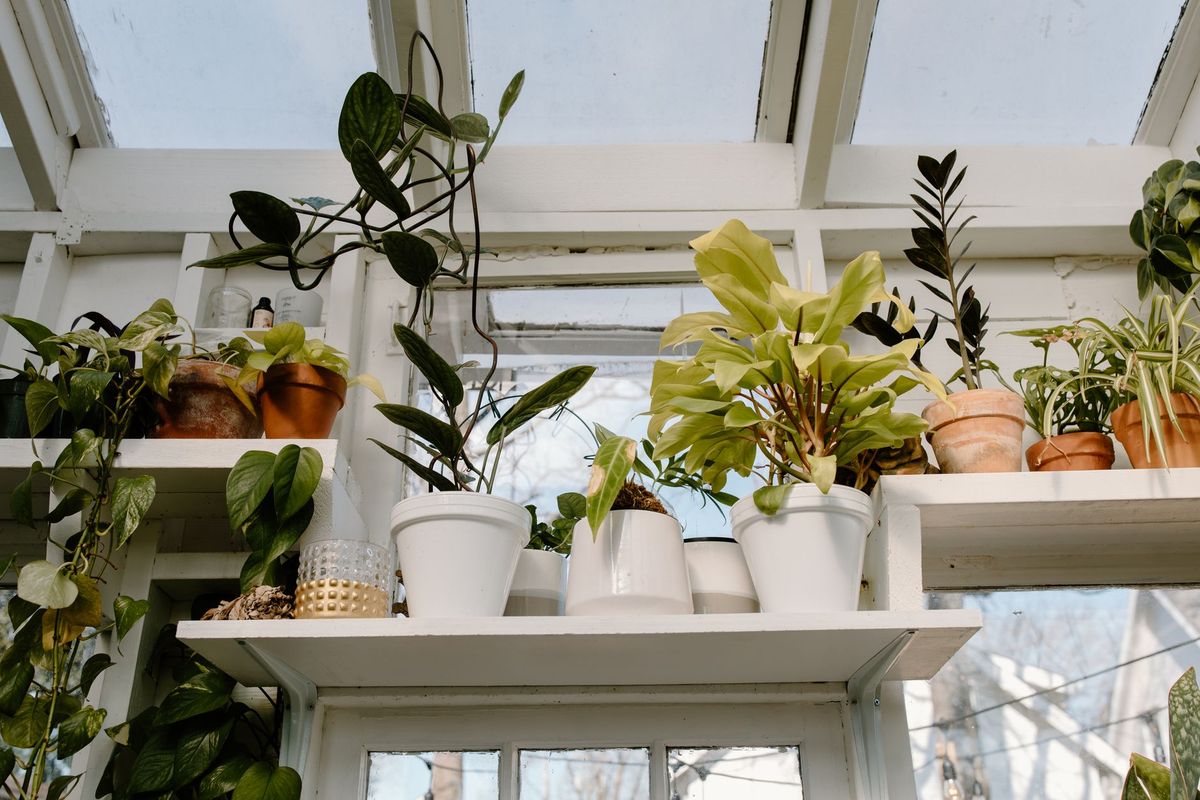
Seasonal Guide: Preparing Your Quiet Garden Room for British Winter
A garden room is at its best in June: doors open, kettle on, work finished at eight in the evening without noticing the clock. By January the same building can feel like a shed with better plasterboard. Condensation on the glass, a faint smell of damp when you open the door, a heater that costs more to run than the room is worth. None of that is inevitable. An afternoon of preparation in autumn, plus about fifteen minutes a week after that, will keep a garden office, studio or retreat dry and usable right through to March.
Start with water, not heat
Cold is uncomfortable; water does damage. Before you think about heating, spend an hour outside and watch where rain actually goes.
Clear gutters and downpipes after the leaves fall, and check them again after the first storm. Look at where the downpipe discharges. If it empties onto gravel beside the wall, or worse, onto soil that slopes back towards the building, you are quietly feeding the base of the structure every time it rains.
Next, the ground. If soil or paving sits above the damp course, or holds water against the walls, that moisture will find a way in. A gravel strip, a shallow French drain or simply re-levelling the soil so it falls away from the building does more good than any heater you can buy.
Then the joins: door thresholds, window seals, external sockets, and the line where the roof meets the wall. Mastic and silicone shrink as they age. A tube of flexible sealant and a dry afternoon will deal with small gaps. Pooling water on a roof covering is a different matter, and best handed to a roofer rather than attempted on a ladder in November.
Damp air and condensation
Mould in the corners and water running down the inside of the glazing are the two complaints that come up most often in a garden room. Both are usually about air, not water pushing through the walls.
You produce moisture simply by being there. Breathing, a boiling kettle, a wet coat on the back of a door — in a small sealed room that vapour has nowhere to go, so it settles on the coldest surfaces, which are the glass and the corners behind furniture. The fix is unglamorous but effective:
- Ventilate deliberately. Ten minutes with a window or door open, even in January, replaces the air and costs you very little heat.
- Keep trickle vents clear. Don't tape over them to keep the draught out; that draught is doing a job.
- Leave gaps. Pull furniture and stored boxes 25mm or so away from external walls so air can move behind them.
- Use a dehumidifier. Desiccant models generally suit cold rooms better than compressor types. An hour or two after a wet spell, with the tank emptied, is usually enough.
- Wipe the glazing before condensation runs down into timber frames and sills.
Avoid unflued paraffin or gas heaters in a small sealed room. They add water vapour and can produce carbon monoxide. Any gas appliance, and any new electrical heating circuit, should be installed and checked by a qualified tradesperson.
Warmth that doesn't make a noise
Insulate first, heat second. In most garden rooms the ceiling is where warmth disappears fastest, followed by single-glazed doors. Rigid insulation boards in the roof void, if you can reach it, will change the room more than a bigger heater. A thick rug or an insulated underlay makes a surprising difference underfoot, and secondary glazing film on a glazed door is cheap, discreet and effective.
Choosing a heater for a small room
If quiet matters, a fan heater is the worst possible choice — it is the loudest thing you can plug in. Oil-filled radiators are silent but slow. Infrared panels warm people and objects within a minute or two, which suits a room used in short bursts, though less so if you want the whole space warm for hours. Convection panels sit between the two.
Whatever you choose, control it. A plug-in thermostat or timer means you heat the room for the hour you are actually in it. Warming the space for fifteen minutes before you walk out is the difference between a room you use and one you avoid.
Frost protection when you're away
Instruments, paints, adhesives, printers and some electronics dislike prolonged cold and damp. A low background setting on a thermostat keeps the worst of the chill off without heating an empty room all day. Check manufacturer guidance for anything valuable, and leave a cheap minimum-recording thermometer on the shelf so you know what actually happened overnight.
Light for the short days
Half the battle in winter is arriving somewhere that feels encouraging. A single bright ceiling light in a dark garden makes a small room feel like a waiting area.
Layer the lighting instead: a warm overhead light, ideally around 2700K; a task lamp where you actually read or work; and something low and soft in a corner for when the work is done. Put the main lights on a timer or smart plug so the room is lit before you cross the garden. Clean the glazing inside and out, and cut back anything that has grown across the window since summer.
Deal with the weather's noise
Winter is loud in ways summer isn't. Rain drumming on a flat roof, wind rattling a fascia, a downpipe emptying onto gravel, a loose panel tapping against a frame. Most of it comes from small things that are easy to ignore until February.
Secure loose cladding and trim, and check that no cover or tarpaulin is flapping. Redirect a downpipe into a water butt or a drain rather than onto stone; the drumming stops immediately, and you gain water for the summer. Inside, a rug, curtains and a couple of cushions take the harsh edge off the echo that hard surfaces create — which matters if you record audio or take calls in the space.
A winter routine that takes fifteen minutes
- After leaf fall, clear gutters, downpipes and any drain grates.
- Walk the outside of the building after heavy rain and look for pooling, damp patches or new staining.
- Open a window for ten minutes on each visit, whatever the temperature.
- Run a dehumidifier weekly, or after a run of wet days.
- Wipe condensation off the glazing before it reaches the frames.
- Check that furniture and boxes are not pressed against external walls.
- Test smoke and carbon monoxide alarms, and replace batteries at the start of winter.
Make it a room you want to walk into
Comfort is mostly preparation. A lidded box with a blanket, a spare jumper and warm socks. A kettle, two mugs and a flask for the days you don't want to run the power. Somewhere to hang a wet coat that isn't the back of your chair. Keep one surface clear for work and keep it clear.
Small rituals help too: lights on first, then heat, then settle in. Tidy the room at the end of a session rather than promising to do it next time. The difference between a retreat and a storage shed is usually about ten minutes of tidying.
Small upkeep, long season
If damp has already taken hold — widespread mould, soft patches in the floor, a smell that doesn't clear after ventilating — deal with the cause rather than masking it. Ventilation, drainage and insulation, in that order, and a qualified tradesperson for anything structural, gas or electrical. For everything else, the arithmetic is simple: an afternoon in October, a quarter of an hour each week, and the room stays dry, quiet and warm enough to use on the greyest afternoon in February.
Photo: Tara Winstead / Pexels